After creating more than 20,000 ads across hundreds of DTC brands, performance marketer Dara Denney has a clear read on what is and is not working on Meta right now. In early 2026, the landscape looks different from even 12 months ago. AI creative tools flooded feeds with polished, soulless content. Audiences learned to skip anything that looks like an ad. And the formats that are winning look nothing like traditional paid creative.
Here are the 7 formats cutting through in 2026, and the one tool most brands are still not using.
1. Founder and Creator UGC
Founder-style UGC: a real person, a real product, no brand chrome.
The format that refuses to die is still the one performing best. Founder-style and creator UGC ads, where a real person speaks directly to camera, look native to any feed because they are. There is no brand logo in the corner, no polished color grade, no motion graphics. Just someone who genuinely knows the product talking about it.
What works in 2026 is specificity. The best-performing UGC ads are not generic testimonials. They address one very specific customer problem or objection in the first three seconds. The hook has to earn attention before the sell can happen.
If you are not yet testing creator content, this is the highest-ROI place to start. Even a founder recording themselves on a phone converts better than most studio-produced creative.
2. Entertainment and Cultural Moment Ads
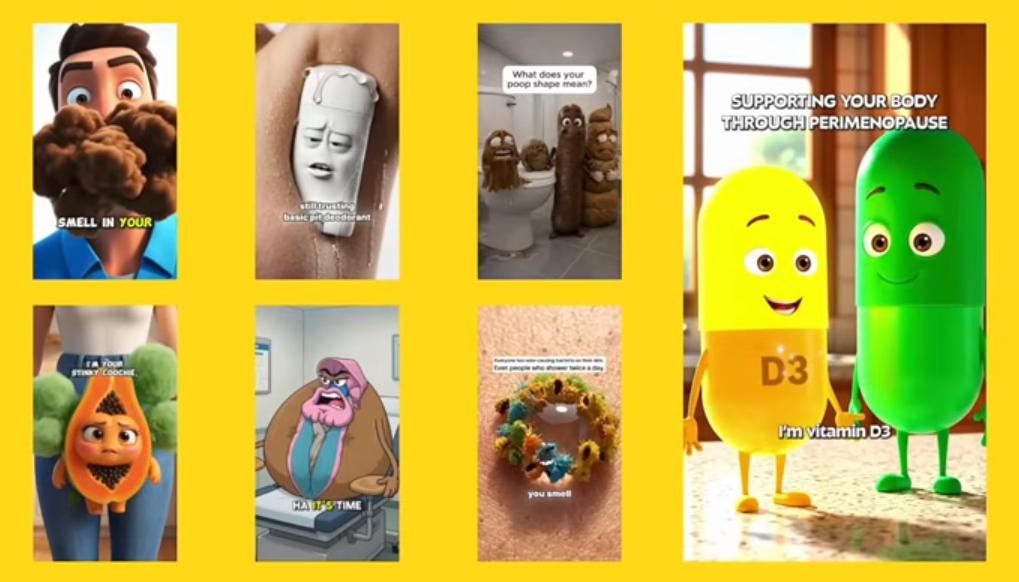
This ad leads with a meme, not a product. The product is the payoff.
The second format, borrowing from entertainment culture, is quietly one of the most underused approaches in paid social. These ads do not lead with the product. They tap into a conversation already happening, a meme, a cultural trend, a shared frustration, and connect the product to that moment.
The example above uses an animated character referencing the cultural shift around GLP-1 medications. The first frame has nothing to do with the product being sold. It gets the scroll-stopper moment purely on cultural relevance, then pivots to the offer.
The key constraint: the connection between the cultural hook and the product has to feel earned, not forced. Audiences see through lazy trend-jacking immediately. When it works, engagement metrics look nothing like a standard ad.
3. Native UGC with Live Social Proof
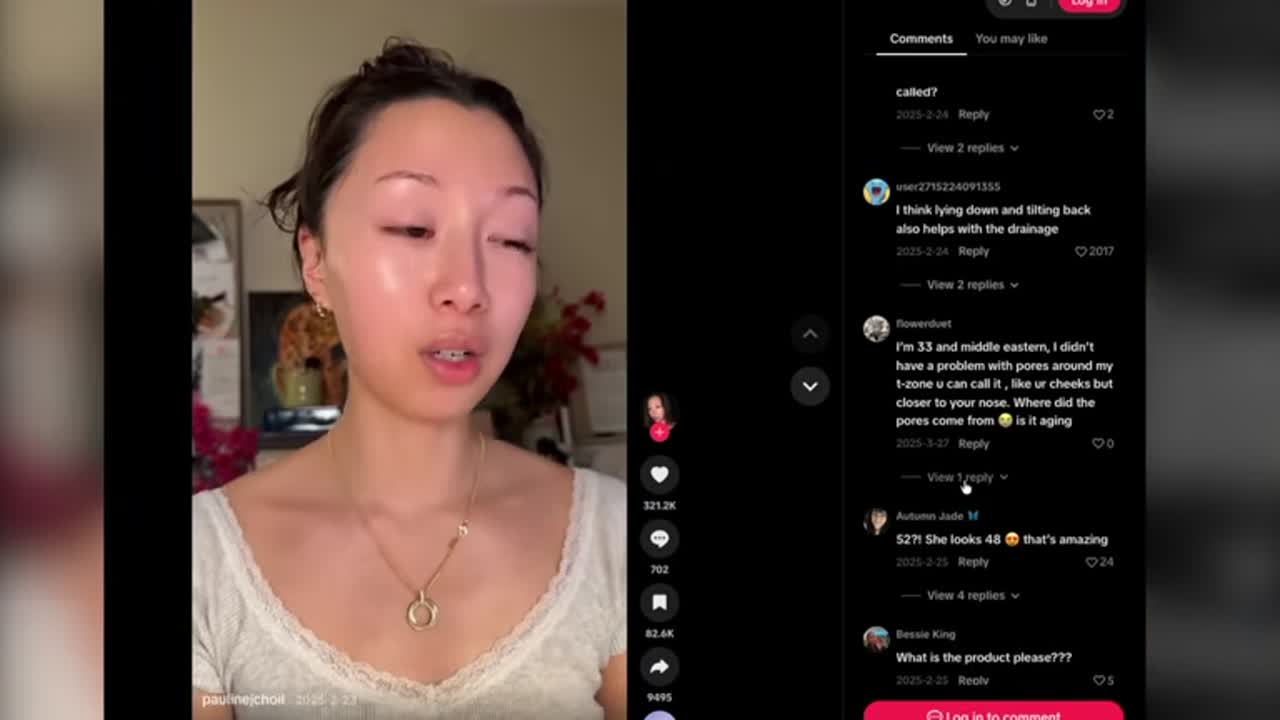
Real comments from an organic post, running as a paid ad. The comment section is the proof.
This format takes real organic TikTok or Reels content and runs it as an ad with the original comment section partially visible. The comments function as live, unscripted social proof. Viewers see real people reacting, asking follow-up questions, sharing their own results.
The psychological mechanic is simple: comment sections feel unedited. No brand control. When a viewer reads "I think lying down and tilting back also helps with the drainage" sitting alongside 2,000 likes, it reads as community validation rather than advertiser copy.
The practical requirement is sourcing organic content that already performed well. The comments need to be real and positive, which means the underlying product has to actually work. This format falls apart when brands try to manufacture it.
4. TikTok-Native Formats: Love Letter and Short
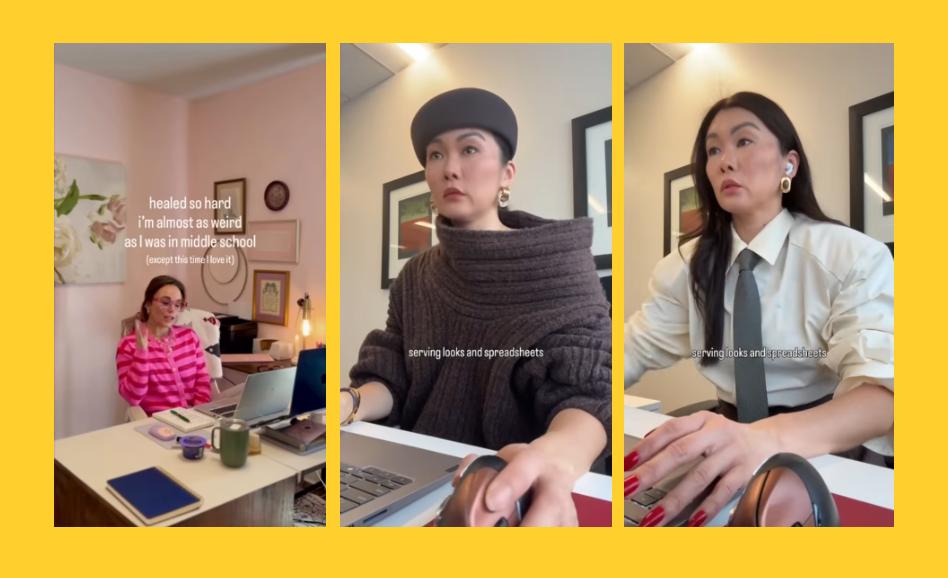
TikTok Short (circled) is the recommended entry point. Three clips, three hooks, one product.
Two TikTok-native formats are outperforming standard video creative across Meta placements in 2026.
TikTok Love Letter is a longer, story-driven format. It mimics the pacing and aesthetic of a popular TikTok: screen recording-style, subtitles, quick cuts, trending audio. The ad feels like content a user chose to watch, not content served to them.
TikTok Short (circled above as the recommended starting point) is a rapid three-clip edit. Three different creators, three different hooks, one product. The fast cutting matches native TikTok behavior and reduces creative fatigue because each clip resets viewer attention.
Both formats test well even on audiences who do not regularly use TikTok. The visual language has become universal enough that the aesthetic reads as "authentic" rather than "app-specific."
5. The "We're Not Cheap" Framework
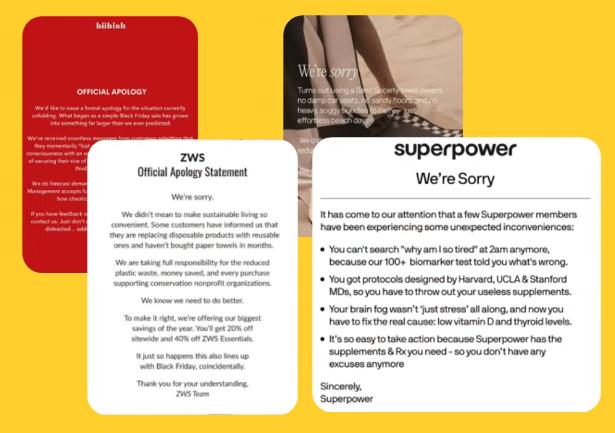
Five executions of the same price-objection framework. Each one addresses cost differently.
The most counterintuitive format on this list: leaning directly into the price objection. Instead of avoiding the fact that a product costs more than alternatives, these ads address it immediately and turn it into a selling point.
The comment-reply variant, responding to a real comment asking "why is it so expensive?", is particularly effective because it creates the impression of a real conversation. The creator films a response video breaking down the cost: raw ingredients, sourcing, production process. Viewers see the math. The price objection dissolves because it has been answered before anyone asks it.
Other executions of the same framework include:
- A founder showing DIY cost versus retail price side-by-side
- A "cheap versus expensive" product comparison test where the expensive option wins clearly
- A creator showing what goes into each unit: the ingredients, the process, the third-party testing
- An ingredient-quality comparison ("creams and they're...") with a direct contrast
The common thread is radical transparency. In 2026, audiences trust brands that explain their pricing more than brands that avoid the conversation entirely.
6. Listicles
Listicle-format ads ("5 reasons you'll never go back," "3 things no one tells you about X") still convert because they set a clear expectation. The viewer knows the format, knows roughly how long the ad will run, and agrees to watch on the premise of getting a list.
What is new in 2026 is how brands are structuring these. The most effective listicle ads are not five equal points. They build from lowest to highest stakes, saving the most compelling reason for last to drive completion rates. The thumbnail uses the strongest list item, not the first one.
For DTC brands with multiple product benefits, listicles are efficient: one ad, many angles, clear structure for testing which benefits actually move conversion.
7. Yapper Ads
The name is exactly what it sounds like. Yapper Ads are high-energy, fast-talking, personality-driven creator videos where the creator thinks out loud about the product. No polished script. No careful pacing. Just someone talking at speed about why they like something.
The format works because it feels like overhearing a recommendation. The creators are not presenting; they are sharing. The fast pace mirrors how people actually talk when they are genuinely excited, which reads as authentic rather than performed.
This format has a specific production note: it almost never works with scripts. The moment a creator slows down to remember lines, the energy collapses. Brief talking points, one take per creator, minimal editing. The rawness is the product.
The Pattern Across All 7 Formats
Every format on this list shares one thing: it does not look like an ad.
The formats that are struggling in 2026 are the ones with clear brand fingerprints: studio lighting, brand-logo intros, polished voiceover, motion graphic lower-thirds. Meta's feeds have trained users to recognize and skip those signals within milliseconds.
What converts now is content that earns its place in the feed by being genuinely useful, entertaining, or relatable, then connects that value to a product. The product is not the hook. The hook is the hook. The product is the payoff.
If you are running any of the seven formats above and seeing declining performance, the question is not the format. It is the hook. Test three different openings for the same ad before changing anything else.
Spreshapp makes it easy to study what hooks are actually working across your competitors. Save any ad from the Meta Ad Library in one click, and get an instant AI breakdown of the hook, the format, and the creative angle, so you always know what to test next.