There's a strange silence that happens before someone buys a high-end dining table. Not the silence of disinterest. The silence of calculation.
They zoom into the walnut grain. They reopen the product page at 1:12 AM. They compare dimensions against imaginary dinner parties. They send screenshots to a spouse with a single message: "Too much?"
High-ticket commerce lives inside that silence. And most brands completely misunderstand it.
They treat expensive purchases like faster versions of cheap purchases. More ads. More urgency. More discounts. Louder buttons. Flashier funnels. But premium buyers don't move faster when pressured. They move slower when uncertain. That changes everything.
The psychology of high-ticket buying
Nobody buys luxury furniture because they need "a chair."
They buy identity, status, emotional certainty, permanence, aesthetic alignment, social signaling, future aspiration. A handcrafted Italian leather sofa is never just seating. It's: "This is the kind of life I've built."
That means the buying journey is emotional long before it becomes transactional. And this is exactly where traditional ecommerce breaks apart.
The problem with traditional funnels
Most luxury brands still operate like this: Ad → Website → Product Page → Checkout.
That works well for phone covers, protein powder, impulse gadgets, commodity products. It struggles badly with luxury interiors, premium consulting, designer fashion, high-end electronics, custom services, real estate, and B2B purchases.
Why? Because expensive decisions require conversation. Not just information. Conversation.
Luxury buyers need reassurance, not just specifications
A customer looking at a high-end sectional sofa rarely asks: "What are the dimensions?" They ask questions disguised as dimensions.
Questions like: "Will this fit my lifestyle? Will I regret this? Is this brand trustworthy? Does this reflect my taste? Am I overpaying? Will people admire this or judge it?"
Traditional ecommerce answers logistics. High-ticket commerce must answer emotion.
This is why agentic commerce matters
Agentic commerce introduces something ecommerce lost during the automation era: adaptive, human-like guidance. Not static chatbots. Not scripted FAQs. A real conversational system that understands where the buyer is psychologically.
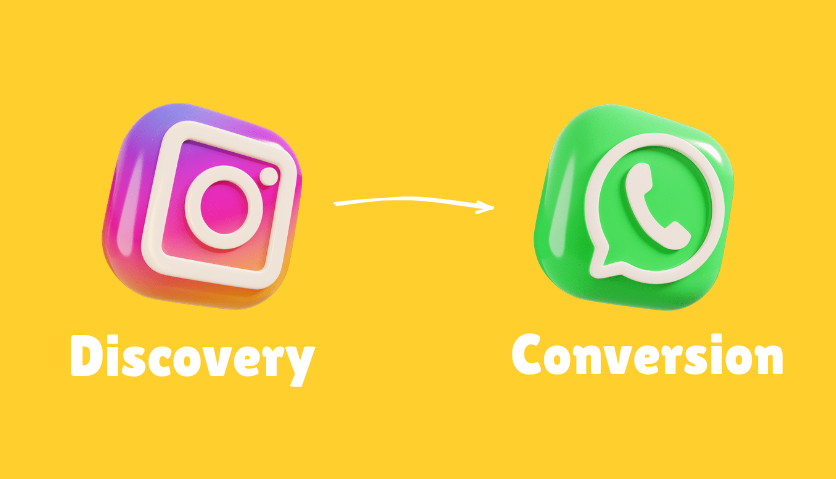
Imagine this flow. A customer clicks on a luxury furniture ad. Instead of landing on a cold product page, they open WhatsApp instantly. The conversation begins naturally:
"Are you furnishing a new home or upgrading an existing space?"
Simple question. Massive difference. Because now the system begins understanding intent, emotional state, urgency, budget range, aesthetic preference, and decision complexity. The experience starts feeling less like checkout software and more like walking into a premium showroom.
The best luxury salespeople don't "sell"
They guide.
A skilled luxury furniture consultant never overwhelms a buyer immediately. They observe. They ask. They interpret hesitation. They notice emotional cues.
If the customer says "I'm still exploring options," a weak system hears an objection. A strong agent hears uncertainty requiring reassurance. That changes the next response entirely.
High-ticket buyers move through emotional stages
Most expensive purchases follow a hidden emotional arc. Understanding each stage is the difference between a brand that converts and one that just generates traffic.
1. Aspiration
"I want a better version of my space." This stage is dream-driven. Visual storytelling matters more than pricing. The buyer isn't comparing specs yet. They're imagining a life.
2. Exploration
"What options exist?" The buyer gathers possibilities. This is where content, comparisons, and education become critical. They're building a consideration set.
3. Validation
"Am I making the right decision?" This stage kills most conversions. The customer needs reviews, expert guidance, proof, and emotional confidence. Most brands deliver specs. Buyers need reassurance.
4. Rationalization
"How do I justify this purchase?" Luxury buyers often decide emotionally first and justify logically later. A premium commerce system helps them construct that justification, not manufacture it.
5. Commitment
Only now does payment become natural. Not forced. Not manipulated. Natural. This is where funnels designed for cheap purchases fail: they try to push buyers to this stage before the emotional arc is complete.
Why WhatsApp is becoming the new luxury showroom
Luxury commerce is quietly shifting toward conversational platforms. Especially WhatsApp.
Because WhatsApp feels personal. A premium buyer is far more likely to ask "Can I see how this sofa looks in darker lighting?" inside WhatsApp than through a generic contact form. The interface lowers emotional friction.
And when AI agents are designed properly, the experience becomes surprisingly elegant. Not robotic. Not pushy. Responsive, calm, helpful. Like a high-performing concierge that never sleeps.
The future isn't "AI chatbots"
That phrase already feels outdated. The future is persistent memory, contextual conversations, adaptive journeys, emotional intelligence, and commerce orchestration.
Imagine an agent that remembers preferred wood tones, room dimensions, prior objections, spouse preferences, budget sensitivity, and previous product views. Now the experience becomes deeply personalized. The customer no longer repeats themselves. The system evolves with the conversation.
That's where conversion rates quietly explode.
The real advantage of agentic commerce
Most companies think AI reduces costs. The smarter companies realize AI increases trust velocity. That's the metric nobody talks about.
How quickly can a customer move from "I'm uncertain" to "I feel confident?"
Luxury purchases are trust-heavy purchases. The brands that compress uncertainty without increasing pressure will dominate the next decade of premium commerce.
What this means for ad creative
If high-ticket buyers move through emotional stages, your ad creative needs to map to those stages. An aspiration-stage buyer needs visual storytelling and lifestyle imagery, not a promotional offer. A validation-stage buyer needs social proof and expert endorsement, not urgency copy.
The biggest mistake premium brands make is running one type of creative at all stages of the funnel. The ad that introduces your brand should feel completely different from the ad retargeting someone who visited the product page three times last week.
Studying how successful luxury brands structure their creative across the customer journey is one of the fastest ways to improve your own. The Meta Ad Library shows you which ads have been running longest. Ads that run for months in competitive categories are paying for themselves.
The problem is the Meta Ad Library wasn't built for research. You can't save an ad, tag it by funnel stage, add notes, or share it with your team. Spreshapp was built for exactly that. Save ads in one click via the Chrome extension, tag them by emotional stage or creative type, and build a reference library your whole team can study.
Final thought
People don't buy luxury furniture because wood was assembled beautifully. They buy because the product helps them visualize a more refined version of their life.
The companies that understand this will stop building funnels that feel like vending machines and start building conversational buying experiences that feel like entering a beautifully lit showroom where somebody actually understands taste, hesitation, and desire.
That's the real promise of agentic commerce. Not replacing humans. Scaling the feeling of being understood.